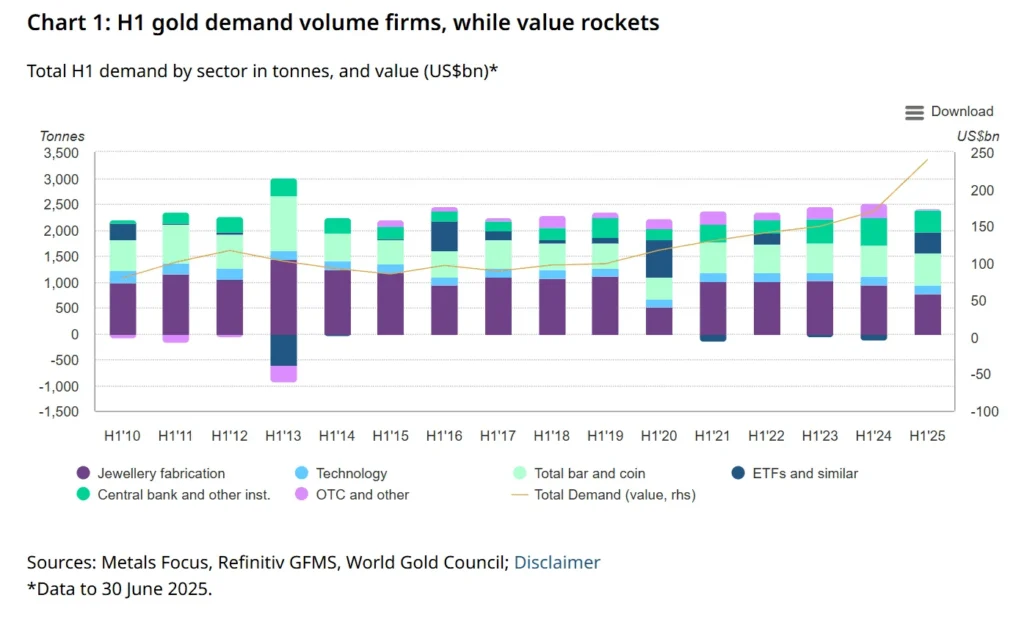
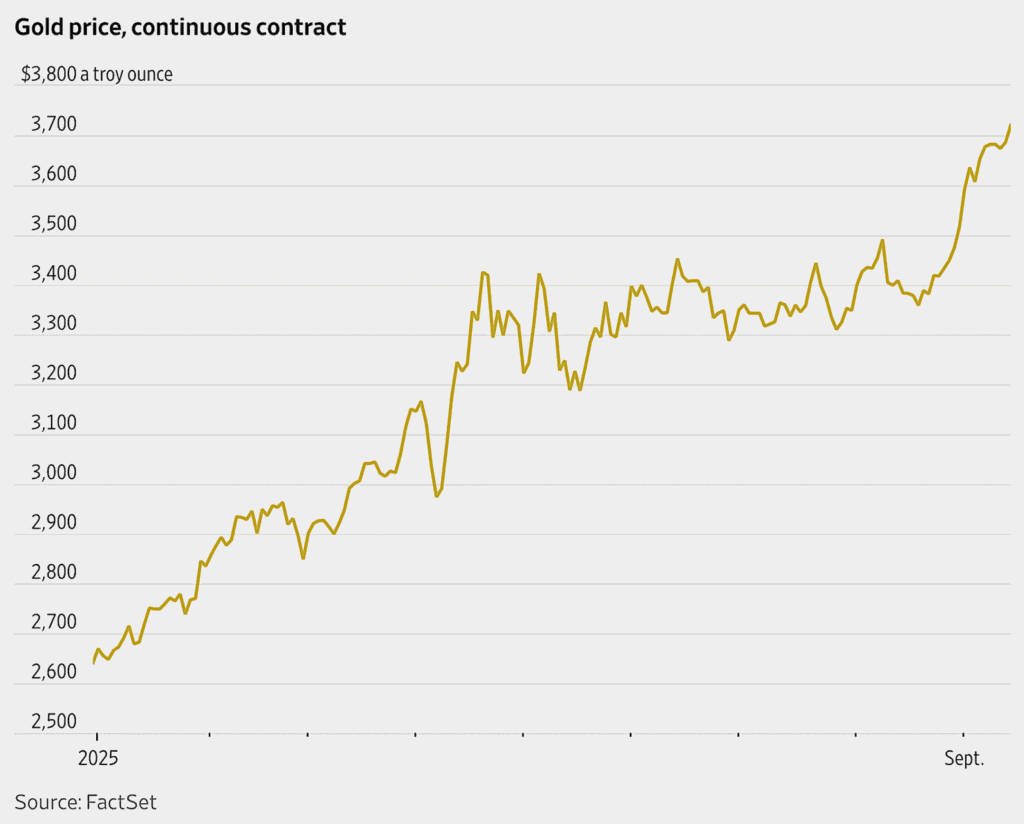
Gold remains a trusted hedge against inflation and currency volatility. Central bank purchases have continued, highlighting its role as a stable asset amid ongoing economic uncertainty.

Growth in advanced technology, electronics, and green energy sectors has sustained industrial demand for gold. Its excellent conductivity, corrosion resistance, and reliability keep it essential for high-tech and emerging applications.

Silver’s exceptional electrical and thermal conductivity, malleability, and antibacterial properties make it indispensable across multiple sectors, including:
Electronics (circuitry, semiconductors, batteries)
Automotive Industry (EV components, safety systems)
Defense and Aerospace (specialized alloys, sensors, coatings)

The global shift toward renewable energy sources is significantly impacting silver demand in.
Photovoltaic (Solar) Cells – the single largest growth sector for silver usage, with solar manufacturing demand setting records in 2024 and projected to expand further in 2025(3).
Electric Vehicles (EVs) – requiring silver for power electronics and charging infrastructure.
Energy Storage Systems – benefiting from silver’s conductive and durable properties.

Silver’s relative affordability compared to gold makes it attractive to both consumers and investors. Despite rising prices, silver remains popular in jewelry and silverware, while financial demand continues through Exchange-Traded Funds (ETFs) and other vehicles according to Yahoo! Finance.
The silver market is currently shaped by a strong demand outlook, particularly from green technologies like solar power and electric vehicles, which are driving structural supply deficits(4). Supply is constrained due to declining ore grades, regulatory hurdles, and the fact that most silver is mined as a byproduct of other metals(4). Meanwhile, investment and safe-haven demand are increasing as macroeconomic uncertainty and inflation fears persist(1). However, silver faces challenges including:
While higher prices could unlock new mining projects and stimulate recycling efforts, ongoing volatility and geopolitical risks continue to create uncertainty in both supply and pricing.